Site Remediation on the Central Coast
Experience peace of mind with fully licensed, eco-friendly asbestos removal and demolition by local trusted professionals.
Restoring Land Safely & Responsibly
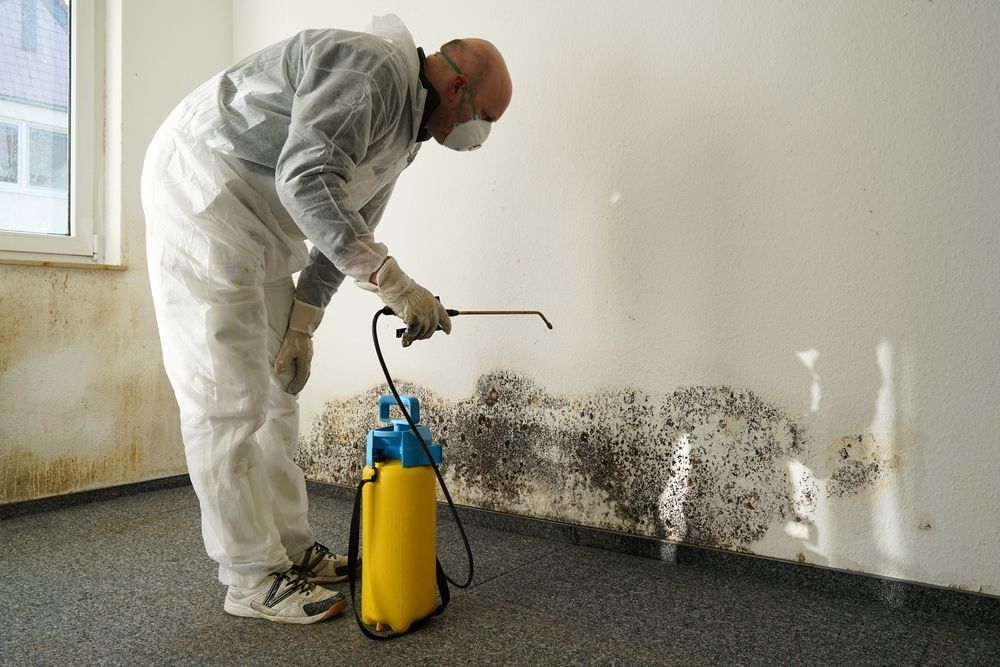
When you need site remediation done right, experience and precision are everything. At Ecowave Solutions Asbestos Removal, we help property owners and developers across the Central Coast restore and rehabilitate contaminated land safely, efficiently and in full compliance with environmental regulations. Whether you’re preparing a construction site, managing industrial land or restoring a residential block, our licensed team ensures every trace of contamination is identified, contained and removed using proven remediation methods.
- Detailed site assessments & contamination testing
- Safe removal & disposal of hazardous materials
We take the time to understand the unique challenges of each project, developing tailored solutions that protect both people and the environment. Our specialists work closely with environmental consultants and regulatory bodies to ensure your site meets all legal and safety standards.
To schedule a site inspection or remediation consultation, call 0424 008 611 today and speak with our experienced team.
Restoring Sites the Right Way
Certified Remediation Experts
Environmentally Sound Practices
End-to-End Project Management
Contaminated land can pose serious risks if not handled properly, and that’s why we approach every remediation project with care, precision and professionalism. Our process starts with a thorough site investigation to identify contaminants such as asbestos or hazardous waste. Once assessed, we use targeted removal, soil treatment and waste management techniques to restore the area safely. All materials are disposed of through licensed facilities, and post-remediation testing ensures the site is fully compliant and ready for future use.
We’re committed to leaving every site safe, stable and environmentally sound. Whether it’s a residential block, industrial yard or commercial development site, get in touch today to discuss your project and find out how we can help you achieve a clean start.
Get A Quote
Got a question or need a quote fast? Fill out the form below and one of our friendly team members will get back to you shortly.
Contact Us
Thank you for contacting Ecowave Solutions Asbestos Removal.
We will get back to you as soon as possible.
Oops, there was an error sending your message.
Please try again later.
FAQ
What is site remediation and why is it important?
Site remediation is the process of cleaning up land that has been contaminated by hazardous materials such as asbestos or industrial waste. Contaminated soil or groundwater can pose health and environmental risks if left untreated. Professional remediation removes or neutralises these pollutants, restoring the site to a safe condition for redevelopment or occupancy. It’s an essential step in meeting environmental standards and ensuring long-term safety for people and surrounding ecosystems.
How do professionals determine if a site needs remediation?
The process begins with a detailed environmental site assessment, where samples of soil, groundwater or building materials are collected and tested for contaminants. If hazardous substances are detected, a remediation plan is created to address the specific risks. This plan outlines the removal or treatment methods, waste disposal requirements and safety measures needed. A licensed remediation team then carries out the work and completes post-cleanup testing to confirm the site is safe for use.
What types of contamination can be treated through site remediation?
Site remediation can address a wide range of contaminants, including asbestos, lead, heavy metals and industrial waste. It’s also effective for removing hazardous waste left behind from construction, manufacturing or illegal dumping. Different contaminants require specific removal or treatment techniques, which are selected based on the site’s condition, soil type and environmental regulations. The goal is to eliminate any ongoing risk to health, water sources or surrounding land.



